
If I could give one piece of advice to middle school teachers, especially new teachers, it would be this:
Do not jump straight into content on Day 1.
Yes, pacing guides are real.
Yes, curriculum maps exist.
But your classroom culture comes first.
What Should You Teach During the First Week?
You should intentionally teach:
Routines
Growth mindset
Goal setting
Class agreements
This deserves 3–5 full lessons.
Not a quick 15-minute overview.
Full lessons.
Because here’s the reality:
Students do not automatically know how to function in your classroom.
They need to learn:
How to enter
How to participate
How to transition
How to reflect
How to set academic goals
How to support each other
Why Growth Mindset and Goals Matter Early
Middle school is a time when students begin forming beliefs about themselves.
“I’m bad at writing.”
“I’m not good at history.”
“I just don’t get school.”
The first week is your opportunity to interrupt that narrative.
When you explicitly teach growth mindset and goal setting, you send this message:
👉 You are capable.
👉 You can grow.
👉 Effort matters here.
That changes everything.
Creating a Class Agreement
Instead of handing students a list of rules, invite them into the process.
When students co-create a class agreement:
They feel ownership.
They hold each other accountable.
They understand the “why.”
It transforms compliance into commitment.
Don’t Know Where to Start?
If planning 3–5 structured lessons feels overwhelming, I’ve already mapped it out for you.
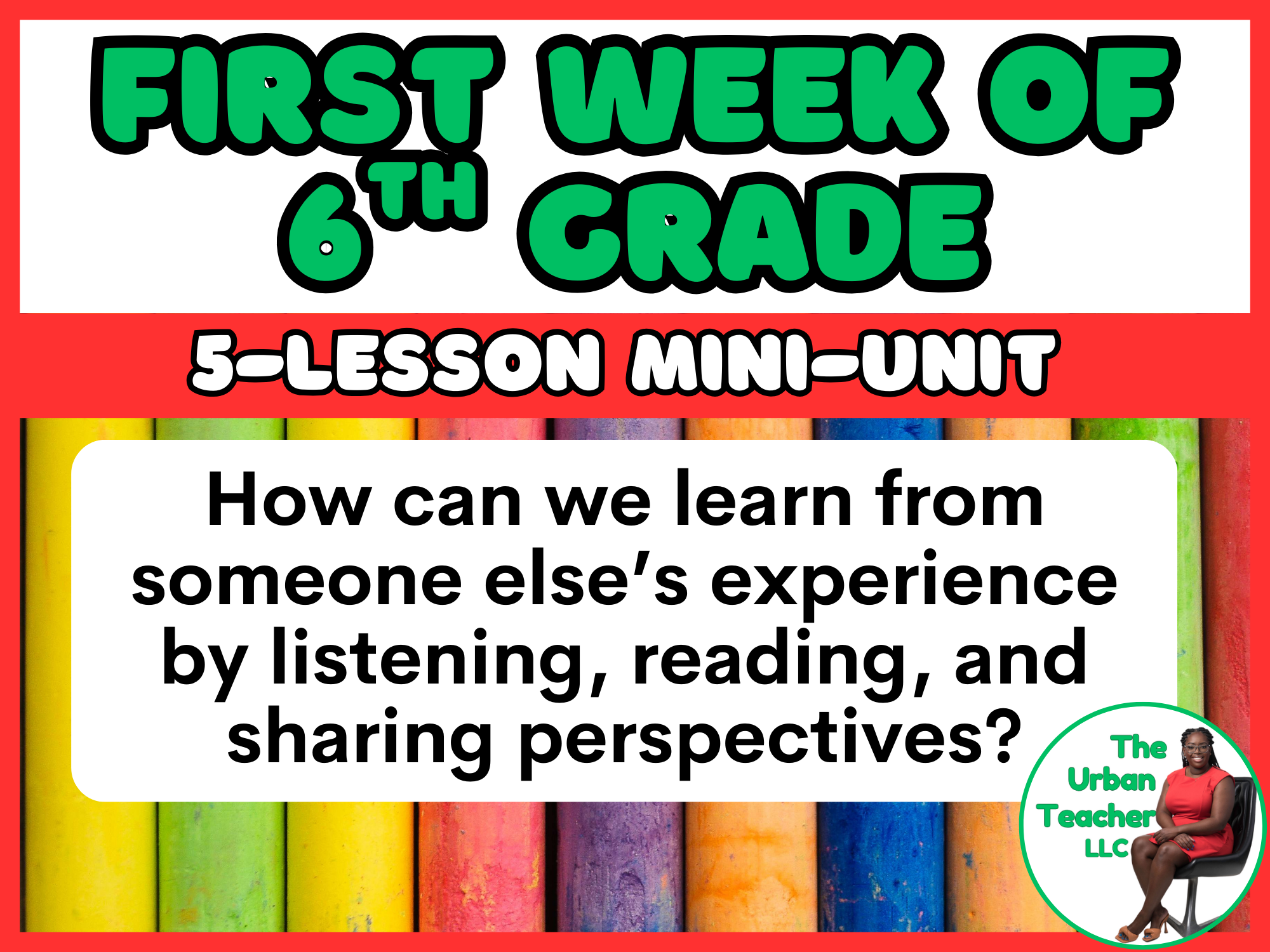
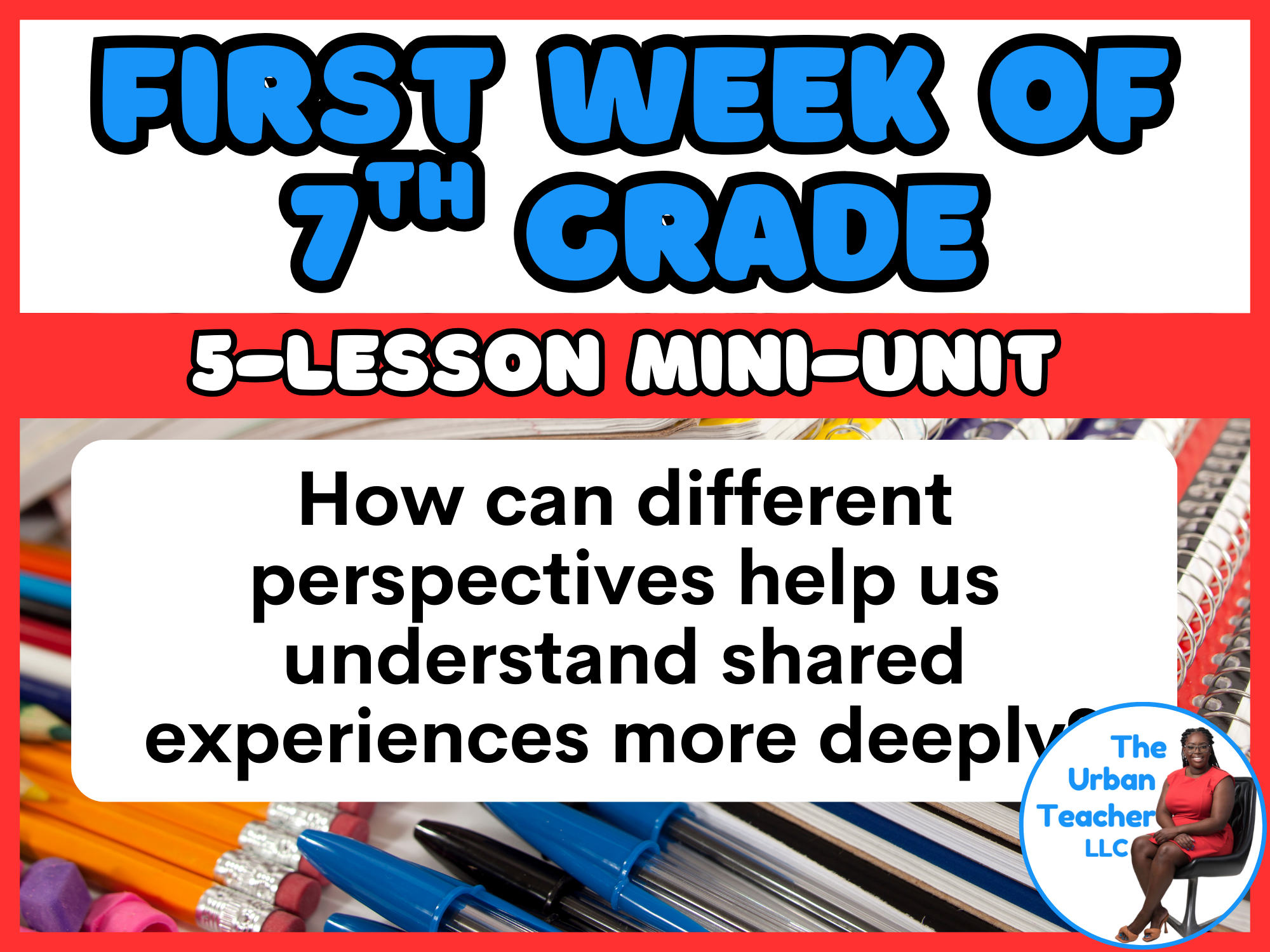
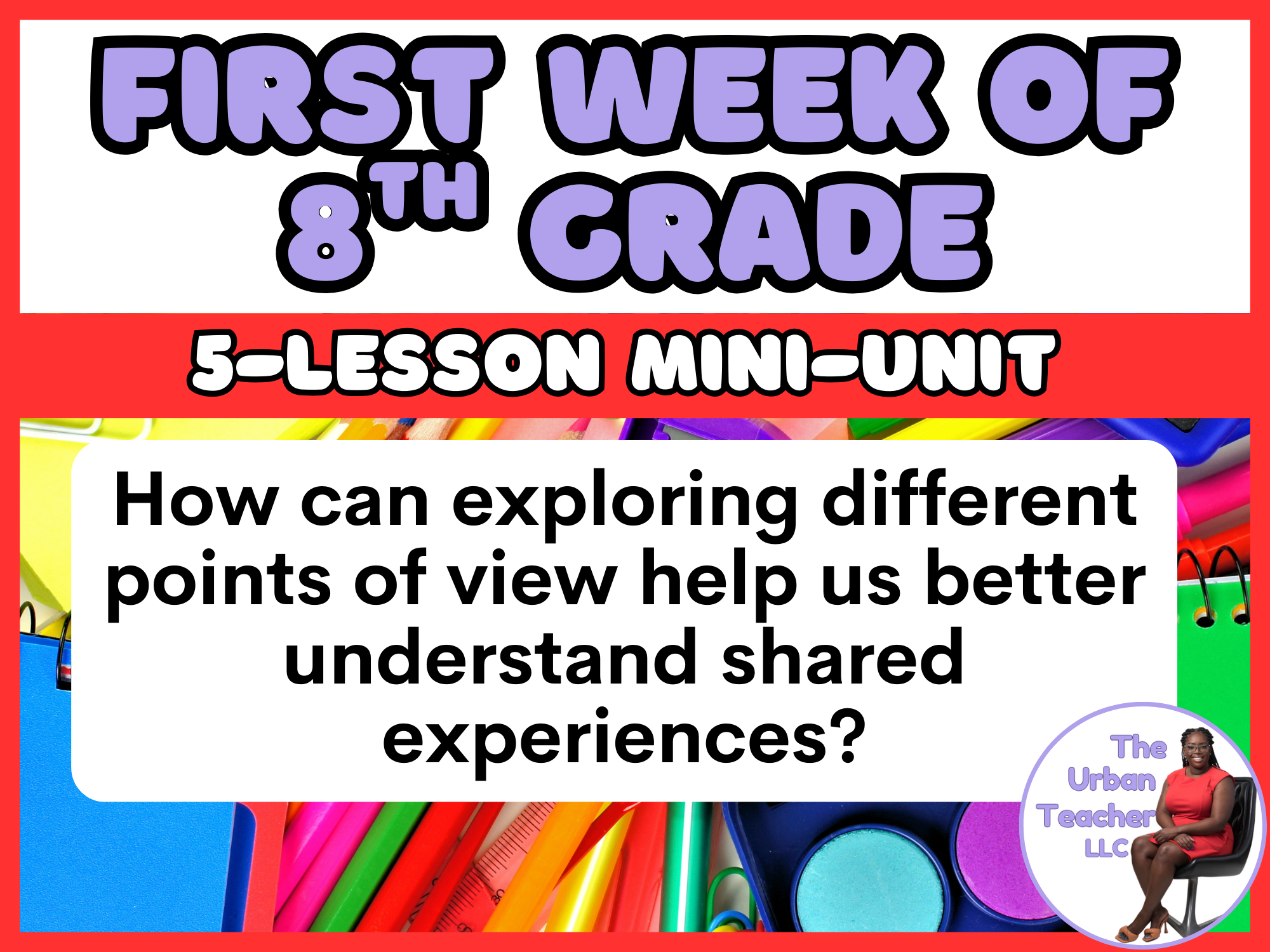
My First Week of Middle School Mini Unit includes 5 ready-to-teach lessons focused on:
Routines
Expectations
Growth mindset
Goal setting
Class agreement
You can check it out here
Build the foundation first. The academics will flourish because of it.
Stay curious, stay creative,
Janelle aka The Urban Teacher
📬 Join My Mailing List for more classroom ideas + AI tips
📚 Check Out My TpT Store for ready-to-use lessons